What to write in a birthday card when you don't know what to say
The three parts a birthday message needs, examples sorted by how well you know them, and the things that read wrong. Three lines are enough.
It doesn't have to be perfect
Just something real will do
You have the card. The pen is in your hand. The inside is still blank, because "Happy birthday" on its own feels thin and anything more feels like a speech. Almost everyone gets stuck here, and it is not because they have nothing to say. It is because they are trying to write something that sounds like a card, when the only thing that works is something that sounds like them.
Answer in brief
Write one true thing about the person, one thing you wish for them, and sign off the way you would if you were talking to them. That is the whole job, and three lines will do it. "Happy birthday" is the heading, not the message, so put something after it. If you are still stuck, tell them one thing you like about them, or one thing you remember. Nobody has ever been disappointed by that.

Why is this so hard?
Because a card has no tone of voice. When you talk to someone, your face and your timing do half the work. On paper there is only the words, and you know it, so you reach for something safer and more formal than you would ever say out loud. That is the one thing that reads wrong. The fix is to write what you would say if you handed them the card at the door. If you would say "happy birthday, you old sod, I'm glad you exist", that is the message.

What should a birthday message actually contain?
Three parts, in any order, and none of them long.
- The greeting. Happy birthday, with their name. This is the bit you already have.
- One line that could only be about them. Something you like about them, something they did this year, something you remember. This is the part that makes it a card from you rather than a card from anyone. It is also the part people skip, because it feels exposed. It is one sentence. Nobody is going to frame it. They are just going to read it and feel known.
- A wish. For the day, or for the year. Keep it specific if you can. "Hope the new job is everything you wanted" beats "all the best" because it proves you were listening.
Then sign off as you normally would. If you say "love" to them, write "love". If you would never say it, do not write it. A sign-off that is warmer than the relationship reads as odd, not as kind.

What can I write if I hardly know them?
Keep it warm and short, and do not pretend to a closeness you do not have. Nobody expects a colleague or a friend's partner to be personal. They expect you to be pleasant, and a short message is pleasant. A long one from someone you barely know is faintly alarming.

Happy birthday, Sam. Hope you get a proper day off and someone else makes the tea.
Happy birthday, Priya. Hope it's a lovely day and a good year ahead.
Happy birthday! Hope the day is a good one.
The first is friendly and stays at work. The second is kind and clean, with no claim on the relationship. The third is the whole message, and it is enough.

What if we're close but I still can't find the words?
Pick one thing and do not try to sum up the whole relationship. This is the trap with the people you love most: anything short feels like an understatement, so you try to say everything and end up saying nothing. A card is not the place to weigh a friendship. It is the place to mention one thing.
I still think about that night in Lisbon at least once a week. Happy birthday. Let's do it again.
You are the person I ring first, about everything. Happy birthday.
Thanks for putting up with me this year. It was not a small job. Happy birthday, Dad.
I'm glad you were born. Happy birthday.
- A memory works when you have history. The memory does the work, so the rest can be plain.
- A quality works when you want to say what they are to you without a paragraph.
- A thank you works for a parent, a partner, an old friend. Gratitude reads as love without having to say the word.
- The plain truth works for anyone you mean it about, and it is hard to beat.

Should I try to be funny?
Only if you are funny with them in real life. A joke in a card is a joke you would say to their face. If you would not, it lands as a stranger's joke in your handwriting.
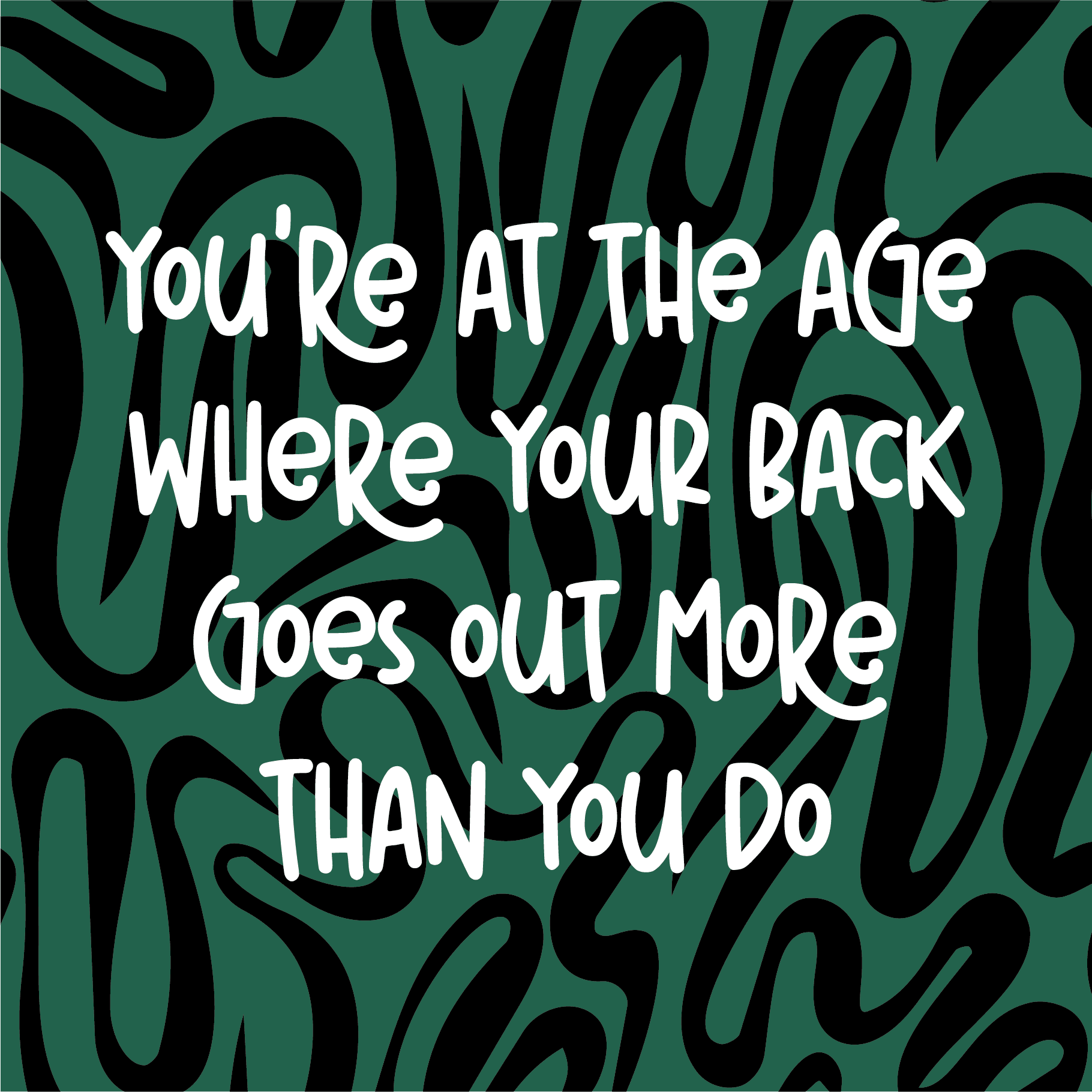
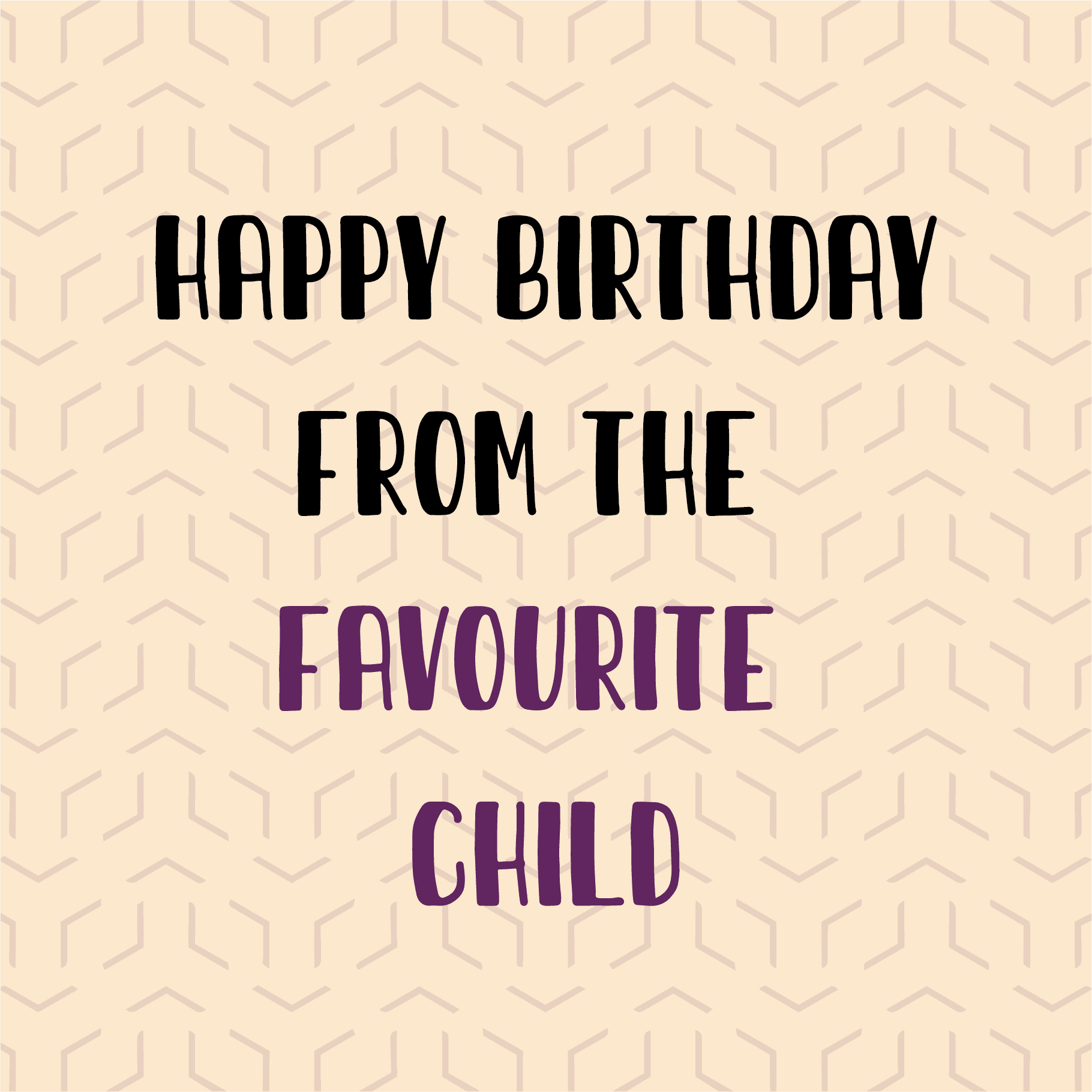
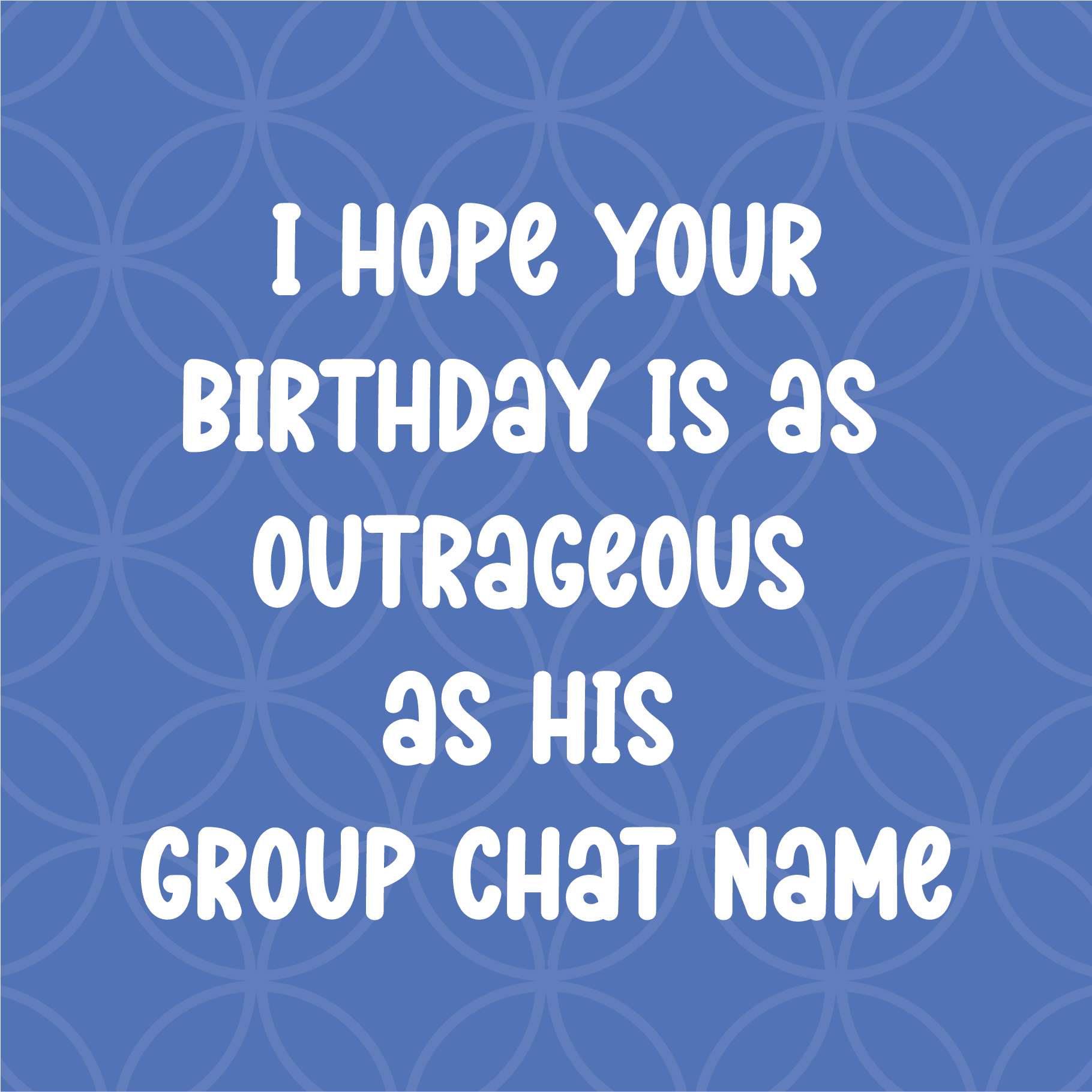
Think about which of you is telling it, the card or you. If the card is doing the joke, a funny front with a punchline inside, your message can be plain and warm, and the contrast is the charm. If the card is plain, one line of your usual teasing is plenty. Two is a routine.
The one thing not to do is borrow a joke. Lines you found online read as found. Your own worst joke beats the internet's best one, because it is yours.

What if it's a difficult birthday?
Say what is true and do not perform cheer. Someone who has had a hard year, is unwell, has lost someone, or just dreads the number does not need "best year ever" and can tell when it is being forced.
"This year has been rough. I hope the next one is gentler. I'm glad you're here." That is a complete message. It does not fix anything. It says you noticed, which is what a card is for.
What not to write
This is the useful section, because most bad birthday messages are not bad for what they say. They are bad for one thing they should have left out.
- Just "Happy birthday" and your name. It reads as a gap. One more line, any line, closes it.
- An apology. For the card, for the lateness, for your handwriting, for not being good at this. Every apology makes the card about you. If it is late, one word covers it: "Belated" in front of "happy birthday", then the message.
- A quote you found. It takes the place of your own line and they can tell it is not you. If someone else's words genuinely matter to the two of you, that is different, and you will not need to search for them.
- A list. Everything they mean to you, in order. One thing lands. Twelve blur into each other and read like a reference.
- A promise you are not going to keep. "We must catch up soon" is fine if you are going to arrange it. If you are not, leave it out, because it turns the card into a small reminder of a thing that did not happen.
- The age as a punchline, unless they would laugh. Some people love the number. Some people are quietly dreading it. If you are not sure which, do not write it. The card will still be funny.
- Something about the gift. What it cost, where it came from, that it was hard to find. The card is not the receipt.
Related situations
Each of these deserves its own answer. The short version for now.
- A brother or sister you are not close to any more. Write to the relationship you have now, not the one you had. One line about now, honestly, is worth more than nostalgia.
- A stepdad or stepmum, when you have never called them Dad or Mum. Use the name you actually call them. The card does not need to settle what they are to you. What you write inside can.
- A milestone, 30 or 40 or 60. Mention the number if they are proud of it and skip it if they are not. You know which.
- A late card. Say happy birthday, not sorry. See above.
If you are sending one of ours, you can have the message printed inside in your own words, or leave the inside blank and write it by hand.
By John Lally